Pedicures for Pups – The Importance of Paw Maintenance
Jan 25th
Like the human foot, your dog’s paws are designed by nature to function to protect leg bones and joints from the impact of walking, running, and jumping. The specialized calloused tissue of the pads form a protective barrier against hot and cold and help your dog to grip terrain as they explore. We’re fortunate to have a plethora of shoe styles to protect our feet, and the luxury of going for periodic foot pampering sessions and exams to ensure that our feet can do their job effectively. Did you know that there are lots of easy things you can do at home for your pet to keep his paws in prime condition too? Take a look below to learn some simple ways to keep your pet’s peds happy and healthy year round. More >
Kitty Cuisine – Choosing the Best Cat Food for Your Pet
Jan 11th
Sometimes in looking at our sweet, lazy house cats we can forget that they are skilled predators under all that fluff. Before we embraced them as constant companions they were used for their prowess at ridding food stores of rodents that would otherwise decimate and contaminate the surplus. But while today’s domesticated felines may catch and consume the occasional bird or mouse, the majority of their diet and nutritional needs are in our hands. What foods offer the best nutrition for cats and how do you choose/supplement thier diet to ensure the best for your pet? More >
Holiday Gifts for Pets – Was Your Pet Naughty or Nice This Year?
Dec 21st
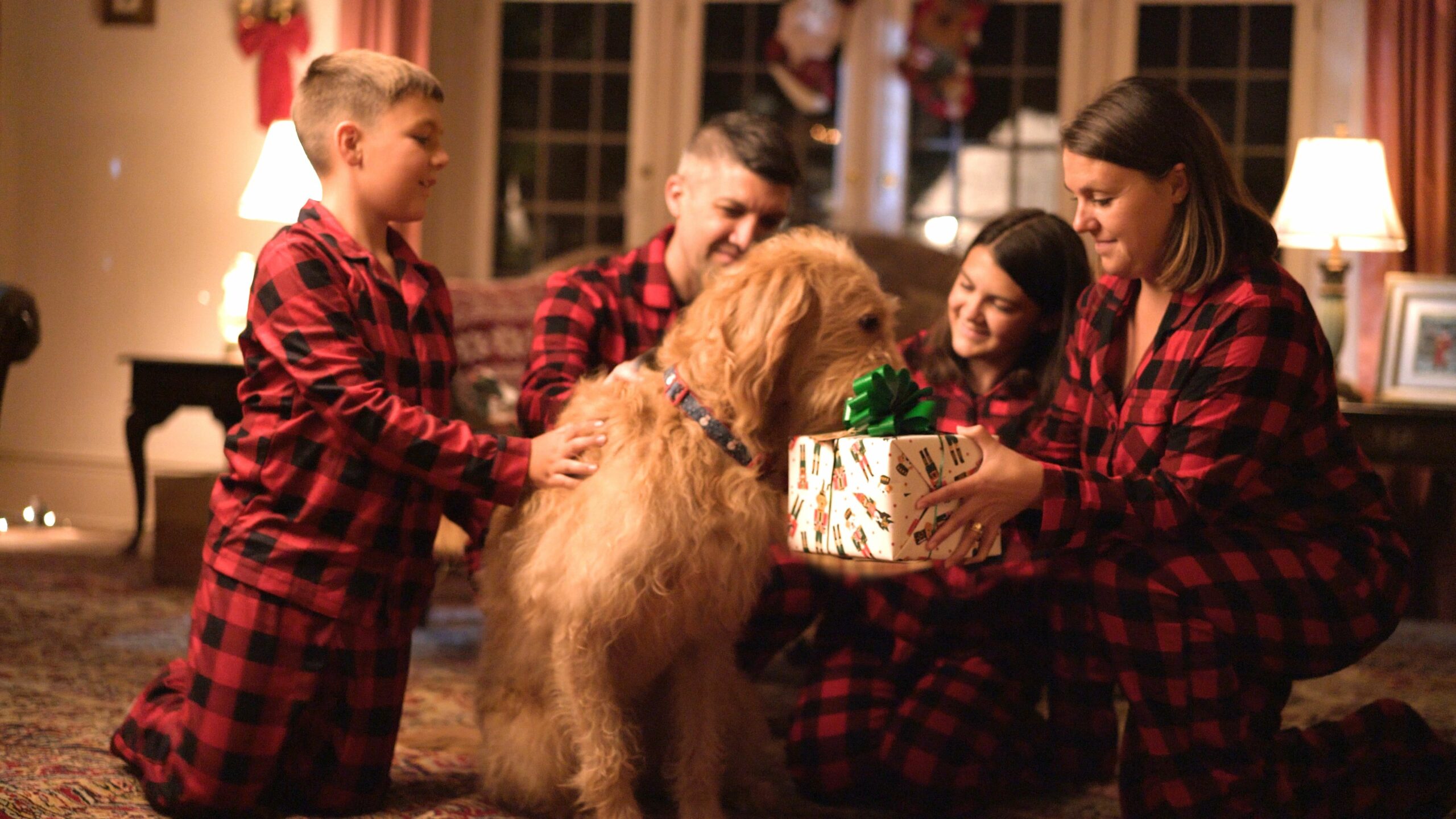
90% of pet owners consider their pets part of the family (I can’t imagine it any other way) so it is safe to assume that many of your pets have Christmas gifts under the tree this year. I thought it would be interesting to find out what the top gifts for pets were this holiday season.
First, a couple of fun pet facts from PetFinder:
Americans spend about $5 billion on holiday presents for their furry friends.
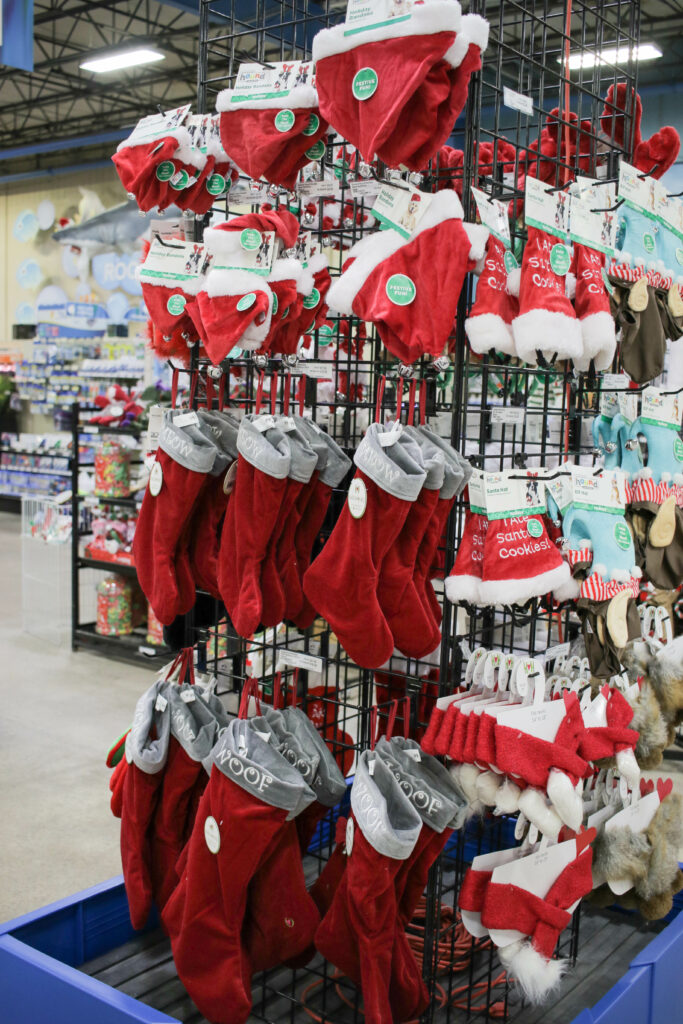
40% of dog owners and 37% of cat owners hang Christmas stockings for their pets.
About one quarter of both dog owners (27%) and cat owners (23%) sign their pet’s name on greeting cards or notes.
64% of surveyed pet owners said they include news about their pet, and 36% include a photograph. in their holiday cards.
About 27% of pet owners claim to have taken their pet to a professional photographer to have a picture taken with family, Santa, or the Easter Bunny.
This year people were expected to spend an average of $46 on gifts for their pets. The number one gift that Santa has left for our furkids this year is a new toy (or two). The next most popular gift is treats, followed by a new sweater or jacket. Other runners up included grooming supplies, bedding, and new leashes and collars.
Haven’t had time to shop for gifts for the pets in your life yet? Not to worry, there is still time! That Fish Place – That Pet Place’s retail store is open 9am-9pm until December 23rd and will be open from 9am – 5pm on Christmas Eve. Stop in today and fill up Fido’s stocking!
Need a few suggestions? Here are my top picks from the store this year:
Humongous Holiday Bone – what pooch wouldn’t love a 24 inch plush toy? Best of all this bone is made with Hugllehounds Tuffut Technology, so you know it’ll hold up long after the holiday lights have been taken down.- Christmas Elf PJs – This outfit was just too cute to pass up. I had to get one for Barret.
- Luvz Christmas Flopper Dog Toys – No stuffing toys mean I don’t have to clean up wrapping paper and toy stuffing on Christmas morning.

- Bag of Beefeaters Lollipops – A 20 pack of lollipop bones will keep tails wagging well into January.
- Memory Foam Dog Bed – Every pet needs a soft, supportive bed to nap on after all the holiday fun.
Each of my dogs will be getting a plush toy and pig ear this year (shh, don’t tell them!) and a new soft bed to share this year. The cats are getting an assortment of toys and treats that they’re sure to enjoy. What are you giving your pets this year? Let us know in the comments!
Take the That Pet Blog Challenge on Smarterer
Dec 13th
Good Day That Pet Blog Readers!
I created a trivia test on Smarterer.com to test your dog knowledge. It’s free to take the test, but you will need to create an account with them or login with your Facebook information. Are you ready to take the That Pet Blog challenge?
Hint: Most of the answers are found in past blogs
Take the test, see how you score, then you can even add your own questions to the pool! And be sure to let us know how you scored in the comments!
Have fun!
-Heather
iPhone Apps are Going to the Dogs!
Dec 8th
I spend a lot of time with my phone. Probably too much time, to be honest. I rely on it for everything from deciding what restaurant to try this weekend to communicating with clients. While I don’t always like being connected to my phone 24/7, it does have its advantages, especially when you’re on the run with dogs in tow! I thought it might be fun to open up my phone and share with you the apps that I use most for my pets. More >
Battling Bad Dog Breath
Nov 22nd
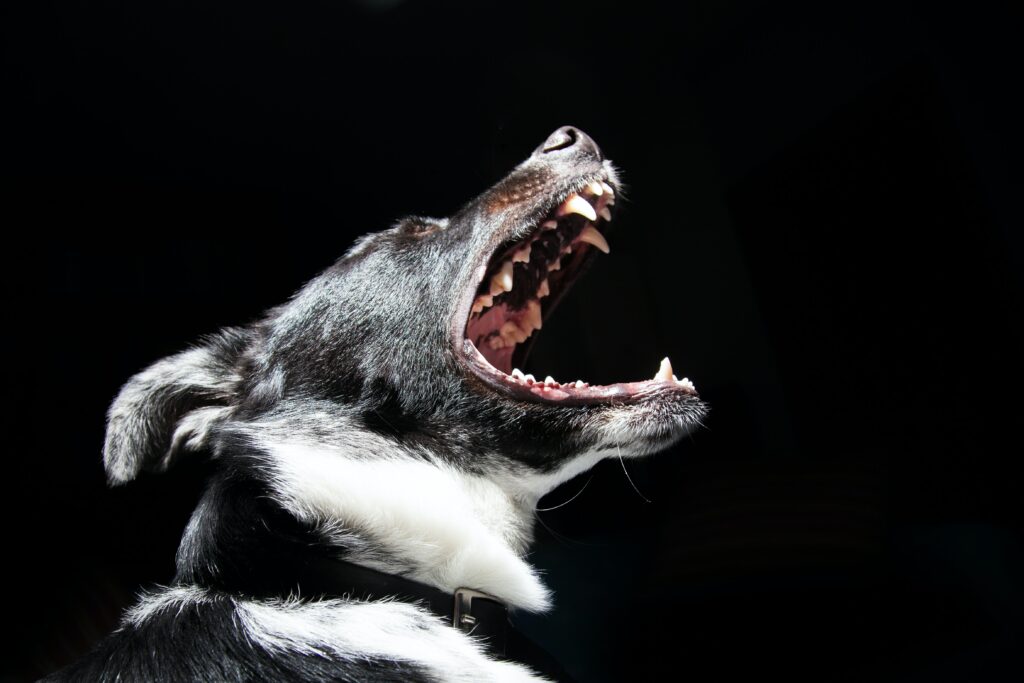
Most of us love getting lots of smooches from our pets, but sometimes their breath is so stinky it just isn’t enjoyable anymore. This is clearly a problem that many pet owners face as there are hundreds of products on the market today aimed at battling bad breath including toys, mints, gels, pastes and liquids. How do you decide what to try?
Many parents of foul-breath pets don’t realize that the odor can be caused by more than just plaque and bacteria. Bad breath, or halitosis, can be a sign of a more serious malady. If you notice that your pet’s breath is fouler than usual, the best advice I can give you is to visit your veterinarian to rule out serious problems like digestive issues, oral disease or tooth decay, lung conditions, kidney or liver disease, and even diabetes. If your dog has serious oral problems or shows signs of tooth decay, you may want to set up an appointment at your vet’s office for a thorough cleaning.
Once serious disease and oral conditions have been ruled out or treated, it is time to start a regular oral hygiene regimen. You’ll be most successful if you start regularly cleaning your dog’s teeth when he’s a puppy so he becomes used to the sensations, but move slowly in introducing your pet to this new grooming procedure whether he is young or old.
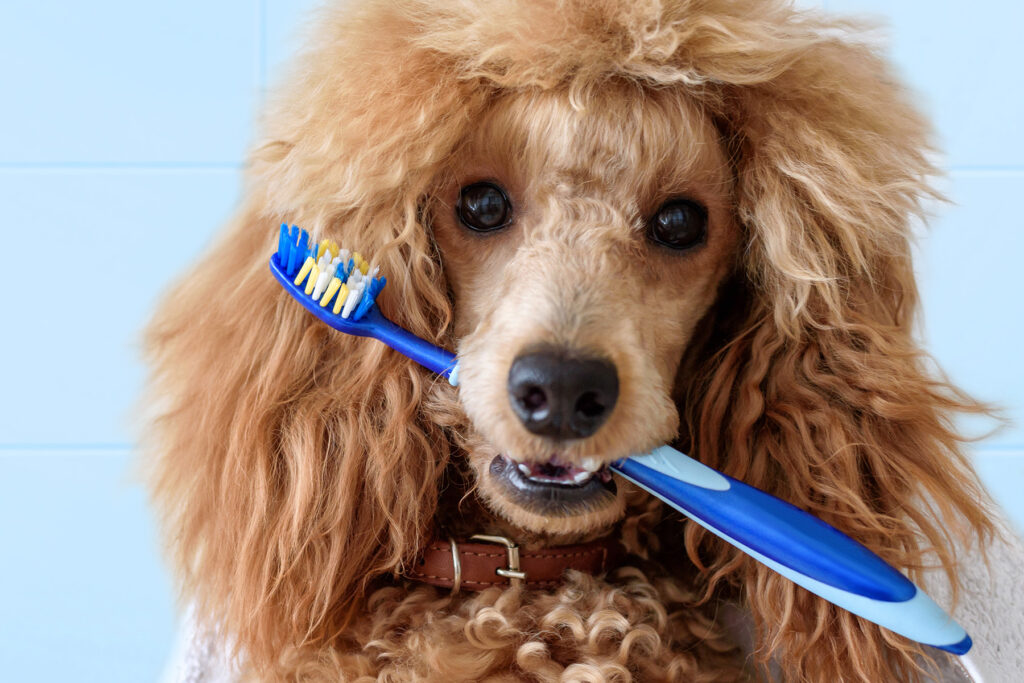
The best way to prevent bad dog breath is to brush your dog’s teeth regularly 2-3 (or more) times per week. Don’t use human toothpaste, as it contains additives that can upset your dog’s stomach, and some even contain Xylitol as a sweetener which is toxic to pets. I prefer finger-sleeve style toothbrushes and enzymatic dog toothpaste to care for my dogs’ teeth, but not all dogs are as tolerant as mine. For dogs that aren’t keen on you brushing their teeth, many pet companies have introduced gels, foams, and pastes that don’t require manual brushing. There are also water additives for the really timid dogs that just won’t tolerate you picking around in their mouths.
Dental Chews & Treats
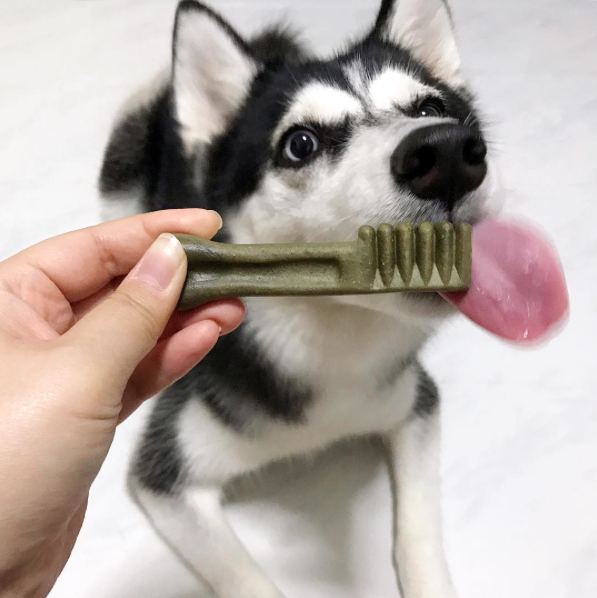
There are a lot of dental chews and treats in the market today, like Greenies, which claim to reduce plaque and tartar when fed regularly. Chews like this can help to keep your dog’s teeth clean, but they are no substitute for regular cleaning and brushing. I’ve also recently spotted some mint flavored treats and chews in the store. They inspired me to add fresh mint and parsley to a batch of homemade dog treats and dog food for a more natural solution for fresher breath. Try feeding raw carrots occasionally as a dental chew; they’re also a healthy treat. Keep in mind that mint and parsley can give some instant relief to stinky breath, but they don’t treat the underlying causes or conditions.
Dental Toys
There are a lot of dental toys that are specially produced with grooves, ridges, and nubs that are designed to rub away plaque and tartar while chewing. These toys come in many different shapes and sizes, and they not only help with tooth maintenance, they can also be great for interactive fun and bonding time with your pet. Make sure to choose an toy that is appropriately sized for your dog’s mouth. For other tips on choosing dog toys see this handbook on choosing dog toys. You can also use hard, clean bones to help your pet “brush their teeth” by chewing.
Changes in Diet
If you’ve recently changed your pet’s food and are noticing bad breath, that change in diet could be the cause. The breath can be caused by the food’s ingredients or if the food is upsetting your pet’s stomach. If the breath persists, you may want to consider trying a different food. Wet foods, while they help increase the daily intake of water and are a more natural form of food, can increase bad breath; the particles can get stuck between teeth and collect bacteria.
We’ve covered the benefits of plain yogurt in several other blogs, but another fabulous use for a small amount of plain yogurt with live cultures is reducing the amount of odor causing bacteria in your dog’s mouth and stomach. Try adding a tablespoon to your dog’s food once daily, only if your pet’s stomach can tolerate it.
Bad breath can be mild or severe, and it is best to consult your vet before engaging in any of these bad breath remedies. There are a variety options to help you control your pet’s breath so that you can start enjoying those puppy kisses again. Not every solution will work for every pet, but a combination of techniques can have your pet’s breath back to normal in no-time. Good luck and be sure to let me know in the comments what techniques work best for your pets.
Home Remedies for Minor Pet Ailments
Nov 16th
You’ve all heard the old addage that an apple a day keeps the doctor away. Maybe you eat garlic to kill a cold, or gargle salt water to heal a sore throat. We’ve all tried home remedies to cure a minor ailment. I think I may have tried them all! There are also home remedies available for us to help our pets. Here are some simple home remedies you can use to help your pet cope with minor ailments like for skin irritations, coat issues, and digestive upset in the comfort of your own home.
Caution: Use your best judgment, if your pet is bleeding, having difficulty walking, is lethargic, or has been vomiting/experiencing diarrhea for a prolonged period of time get your pet to the vet right away! These remedies are only intended for minor irritations.
Skin, Coat and Paw Remedies for Dogs
Sore muscles - You’ve just returned from a long day of hiking and your pet seems sore from all the romping, playing and jumping. Try soaking a hand towel in warm water with Epsom salts. Wrap your pet’s affected limbs or joints with the wet towel and watch the aches melt away. You can also put them in a warm bath with added Epsom salts, but do not let your pet drink the water. The towel method may be easier and safer if your pets, like mine, do not particularly enjoy soaking in the tub.
Dry, Flaky Skin - Many of our pets can suffer from dry and flaky skin, especially in the winter. Try adding Salmon oil or Vitamin E (ask your vet for appropriate dosage) to your pet’s food to add essential oils back into the skin and coat. For problem areas, like elbows or pads that are dry and cracking, break open a Vitamin E capsule and rub the oil over the problem areas for extra moisture.
Itchy or Irritated Skin – Some pets suffer from allergies. If your pet is keeping you up at night with incessant scratching, try giving them an oatmeal bath to sooth irritated skin. Use a coffee grinder or food processor to grind 1 cup of oatmeal into a fine powder. Stir the powder into a warm bath and let your pet soak for 10-15 minutes, or as long as they will tolerate it. Rinse the oatmeal off of your pet and pat them dry. If allergies tend to be a recurring problem, it might be time to see your vet and discuss other solutions.
Bug Bites – If your pet was stung or bitten by a bee or other insect, try applying a baking soda paste to the bite to soothe some of the discomfort. Using witch hazel in place of water makes the paste additionally effective.
Citrus Flea Spray – If you don’t currently have a flea problem in your house try keeping it that way naturally, with homemade citrus spray. To make a citrus spray, bring a pot of water with lemons (halved) to a boil, reduce the heat and simmer for 1 hour. Turn off the heat and cover the mixture overnight. The next morning you can strain and bottle your citrus juice into a spray bottle and spritz your home and pets to keep the fleas away. Cats have a natural aversion to citrus, so this may be best used in a home without felines.
Sore foot pads – Walking on hot pavement, icy or snowy sidewalks, or over rough terrain can wreak havoc on your pet’s foot pads. You can make foot pad balm at home to soothe sore feet. Melt equal parts of beeswax and olive oil in a double boiler until melted, then whip with a hand mixer until fluffy. Rub a small amount onto your pet’s foot pads after your walk and store the balm in an airtight container.
Cornstarch for Broken Toenails - You can prevent most broken toenails by trimming your pets nails regularly, but if one of your pet’s toenails does tear or break, you can dip the bleeding tip in cornstarch to stop minor bleeding. If the bleeding doesn’t cease, you should contact your vet.
Home Remedies for Digestion and Stomach Upset in Dogs
Canned pumpkin - Add a teaspoon or two of canned pumpkin puree (not pumpkin pie mix) into your dog’s food to aid in digestion. This remedy works well for both constipation and to firm up loose stool because it acts as a stabilizer.
Plain yogurt with live cultures - Feeding a small amount of plain non-fat yogurt with a meal can help to add beneficial bacteria to your dog’s digestive tract. A teaspoon a day should do the trick to restore balance and to reduce flatulence. It is particularly effective after your dog has been on antibiotics and is sometimes used to prevent yeast infections; it’s also a source of supplemental calcium. Watch your pet carefully if they’ve never had dairy before. Some dogs are lactose intolerant. If they exhibit any signs of discomfort or loose stools, discontinue its use and contact your vet if conditions do not improve.
Preparing Pets for Cold, Wet Winter Weather
Nov 1st
It’s the last weekend in October and I am already scouring the closets in my house for Barret’s winter wardrobe. It’s a bit early this year, but the 4 inches of snow on the ground and his reluctance to step past the front door signal it is time to find the dog jackets and coats. Many people think that since dogs have a fur coat, that they don’t need any additional winter gear. This is true for some dog breeds, but others, like Barret, have very thin, short coats and appreciate the extra layer of warmth when braving the great outdoors.
I know a lot of people that think I dress him up just for fun, and that is only partially true. While it is fun for me to parade him around in stylish duds, it serves a very important purpose. The extra layers can be comforting to a dog that is particularly sensitive to cold weather. Dogs like Barret need the warmth of a coat, like a child venturing out in winter to play, to keep their temp up and their immune system strong. The extra layers help to conserve body heat, so your dog doesn’t have to work as hard to stay warm when outside, or even when hanging around the house.
Older dogs, dogs with thick coats that are clipped short, dogs that have diseases that impact hair growth and dogs with weakened immune systems should also wear jackets or sweaters when braving the cold outdoors.
Double coated dogs or dogs with thick fur, like Huskies, can actually overheat if you put clothing on them. Their fur was genetically designed to retain heat in cold conditions, so they really do have a natural winter coat and don’t generally require any assistance.
Finding the right winter gear
If you won’t be bringing Fido along with you to shop, be sure to take measurements at home before you go. Measure the neck circumference, the length from collar to tail, and the circumference of the largest part of his chest. A great fitting sweater or jacket will be snug and form fitting, but loose enough to allow for everyday movement like sniffing, going the the bathroom and playing. Clothing items that are too loose may enable the dog to wriggle or walk out of the garment or get it snagged on something when he is playing.
Consider the ease of getting the garment on and off when looking at the fit. Some pull-over sweaters may be too tight to get over your pup’s head. I’ve found that garments with Velcro enclosures on the chest are the easiest to dress in and to get a good, snug fit with.
The material and color of the clothing should also be considered. How often you will need to wash it? How much will dirt show? If you have a dog that likes to roll in the mud, white might not be your best option. Knit sweaters can catch on ice and twigs and start to unravel. Wool may be the warmest, but it can also be very itchy. I personally like fleece jackets, or jackets with a fleece lining. It insulates well, washes without shrinking, and doesn’t easily get snagged.
Take time to acclimate
If your dog isn’t used to wearing any clothing, just sticking him in a sweater and sending him off on his way might not work exactly planned. It may take a few days to acclimate your pet to his new coat. Using positive reinforcement, get your dog used to the idea of wearing a coat. Start by giving a treat every time you just hold the jacket. Once he is comfortable with the presence of the coat, gently drape it over his back and give him lots of treats and praise. Slowly work up to slipping his head through the neck hole and wearing the jacket entirely. Teaching “give me your paw… now the other one” beforehand can also make putting the jacket on a little bit easier.
The scoop on boots
In recent years dog boots have come into the market. I thought these were kind of ridiculous at first; I mean, why would a dog need boots? Then I started to notice that we would stop frequently on our walks in the snow so they could lick their paws to remove the ice balls that would form between their pads. I also noticed that a lot of my neighbors were using salt on the sidewalks, and not necessarily the pet-safe varieties. I started to wipe off their paws after our walks to remove the salt. I think I might understand the need for dog boots now, and I might even give them a try this winter. I imagine that getting a dog used to wearing boots might be a prolonged process, but using positive reinforcement techniques anything is possible!