 That Pet Blog That Pet Place Pet Blog


 Though most people try to avoid encounters with skunks, there are those who actually seek out these black and white mayhem-makers as companion pets, comparing them in personality to cats, dogs, and ferrets. Skunks are rising in popularity due to their intelligence, carefree personalities, and (believe it or not) cleanliness. Pennsylvania and most other states require a permit to keep a captive skunk as a pet. Before deciding to bring a skunk into your family, do your research and be sure you can handle their requirements. Read More »
Home | Author Archives: jeppley
Warm Weather Worries – Common Pet Parasites and Pests
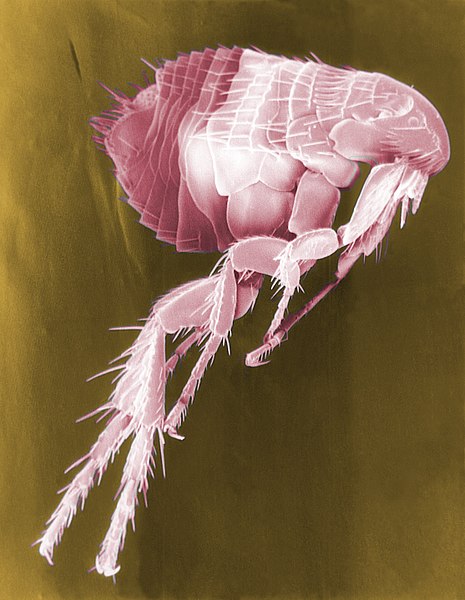 Parasites can afflict pets any time of the year, however during the spring and summer months, they tend to be more prevalent. Our pets spend a lot more time outside when the weather is warm, and parasites breed more readily. Even if your pets spend all or most of their time indoors, it is possible for parasites to find them whether carried in on our clothes or by crawling through our screen doors. Here are some common parasites to look out for and ways to combat them this summer. Read More »
Pit Bull – A Notorious Name and a Ruined Reputation
 For many people the term “pit bull” typically brings several negative images immediately to mind. Images of a muscular dog on the end of a thick chain guarding a junkyard; a news report of a child being killed by a pack of ferocious dogs; the underbelly of the inner city where dog fighting rings play their disgusting games. “Pit Bulls” have earned a stigma as brutes, fighters, and even killers. I have to admit that if I were to come across the stereotypical “pit bull” in a dark alley, I would certainly be looking for the quickest way out of there. But, in my entire career in animal care, I have never come across a true pit bull, at least not the dog that fits that notorious label. Read More »
Investing in Pet Insurance
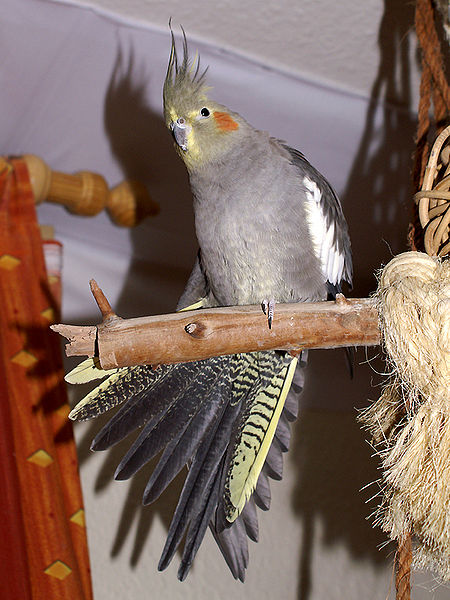 Recently, my 14 year old female cockatiel, Charlie was pacing at the bottom of her cage (her usual method of begging to be let out) when she got her leg caught in the grating of the cage. Panicked, I raced forward to help her, but unfortunately my bird’s panic took over and she injured her leg trying to free herself. I knew immediately she had broken it because she could not use it at all and there was blood on her perch, indicating that the bone had gone through the skin. I rushed her to the emergency vet and 4 hours and $360 later, she was ready to go home, dressed in a splint and bird sized e-collar. She’s recovering well, which is great news, however the cost of this endeavor got me to thinking: would pet insurance be worth the investment? Read More »
Pet Wolves and Wolf Crosses – Social Dilemmas
 Wolves inspire many emotions in people. Some see them as supernaturally evil forces or destructive predators, others see them as an ultimate symbol of freedom and nature. They are majestic, complex creatures with a long history and a permanent place folklore.
Thousands of years ago, man started to form relationships with these animals. Their ancestors gave rise to the many breeds of dogs we know and love today. Today, some people choose to bring wolves into their homes and into close contact with human society, crossing them with domestic dogs to create hybrids or even keeping purebred wolves as pets. Though the thought may be appealing to some, bringing an animal with wild bloodlines home to the family may not be the best idea. Read More »
Pet First Aid – Handling Common Emergencies
In my last blog, I gave you a list of items you should have in your pet’s first aid kit. This time I would like to go over how to handle some of the more common health emergencies associated with dogs and cats. As always, please call a veterinarian for serious or life threatening situations. When in doubt, they are your best bet for providing proper care to a sick or injured pet. Always remember that animals in pain may bite out of fear, so approach injured and sick pets with caution and NEVER touch wild or unfamiliar animals without assistance from qualified wildlife handlers. Read More »
First Aid for Pets – Creating an Emergency Kit
Emergencies can happen at any time, and it is important to be prepared if they do. Lots of stores, including That Fish Place, sell ready-made first aid kits for dogs and cats, but I’ve composed a list of materials you will need in case of medical emergencies. Remember to store all of the listed items in a waterproof plastic container and keep it in a readily accessible place. Read More »
The Bedding Dilemma – Choosing the Right Bedding for Your Small Pet
 Seasoned small animal owners tend to bicker over the smallest of details when it comes to the care of their pet. From food to free time, no one seems to agree on just one thing. When it comes to bedding though, there seems to be an all out war over which is best. As a small pet owner, I’ve used just about every variety of bedding on the market, and even I get confused sometimes. One will claim to have the best odor control, but it’s really dusty. Another will be softer and cuddlier for your pet sleep in, but it smells bad even when it’s clean. There is no perfect small animal bedding…but, there is probably be one that is best for your particular situation. There are pros and cons to all the small animal bedding types available. Here’s my break down on what to expect from the most popular types available. Read More »
Animal Oddities – The Jackalope Disease
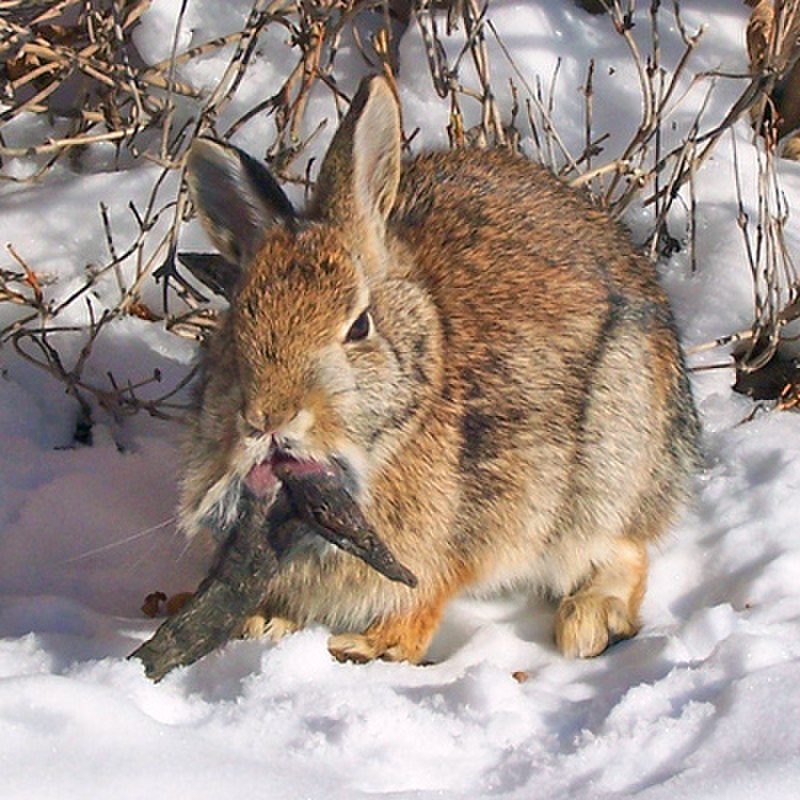 There is an old myth of a creature that roams the plains, a crazy lookin’ cryptid that rolls with the tumbleweeds through the frontier of the southwestern United States. It is only caught by the eyes of a fellow who’s been smiled on by Lady Luck, but it is well known by even those who’ve never been to the southwest. This wily critter has the body of the rabbit, but the antlers of the antelope. It’s been said that its milk is like medicine and its meat like lobster. It is best lured out by using whisky as bait, but it can mimic human voices in order to elude pesky hunters. Sometimes it has been known to be dangerous if cornered! This, my friends, is the jumpin’ jackalope! Or is it?? Read More »
Small Pet Health – Wet-Tail in Hamsters
 We like to keep our little pets as happy and healthy as possible, but as with our own health there are some common illnesses that can occur despite our efforts to keep them away. Wet-tail describes a common illness found to affect most rodents, but it affects hamsters more often than others, as they seem to be the most susceptible to it. The symptoms of this illness include diarrhea (characterized by a wet tail area, hence the name), a bad odor, lack of appetite, unkempt appearance (from the hamster not cleaning itself), a hobbling walk with a hunched back, and an almost total lack of energy, though this is not to be confused with a hamster’s normal daytime sleep schedule. Read More »